How to Keep Your System Running 20+ Years (2026)
Most HVAC systems don’t fail because they reach a certain age. They fail because small issues go unnoticed, routine upkeep is delayed, or maintenance is skipped altogether.
With proper care, many HVAC systems can operate reliably far longer than expected. While no system lasts forever, consistent maintenance plays a major role in extending equipment life, improving performance, and avoiding unexpected breakdowns.
This guide explains how HVAC maintenance works, what actually makes a difference, and how homeowners can protect their system long-term.
Why HVAC Systems Wear Out Faster Than They Should
HVAC systems are complex, mechanical systems that operate under constant demand. Over time, normal wear is expected — but neglect accelerates that wear dramatically.
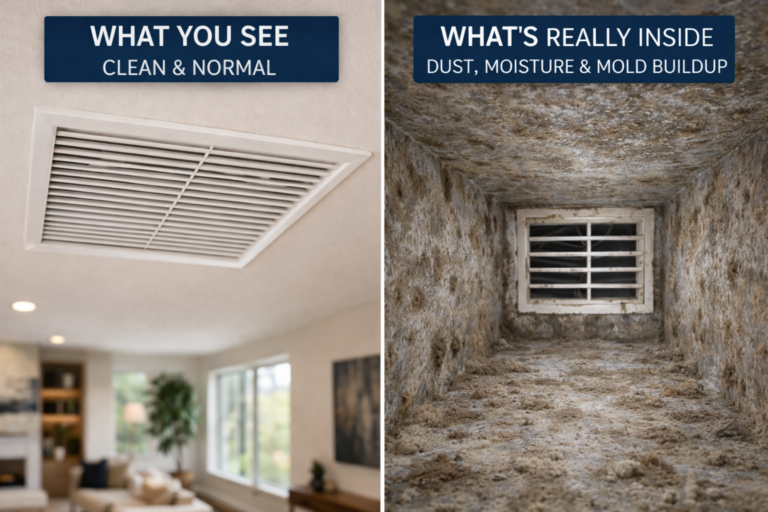
Dust buildup restricts airflow, electrical components loosen, refrigerant performance declines, and small efficiency losses compound. Left unchecked, these issues place added strain on major components like motors and compressors.
Maintenance helps catch problems early, before they lead to larger repairs or system failure.
What Proper HVAC Maintenance Actually Includes
True HVAC maintenance goes beyond a quick visual check.
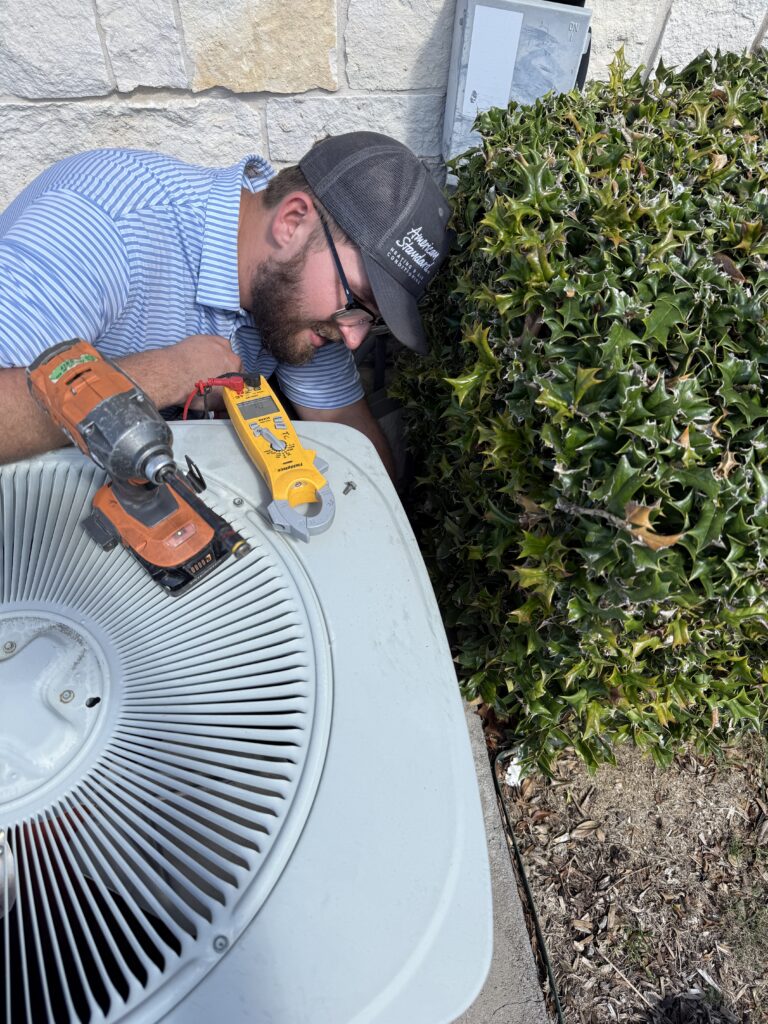
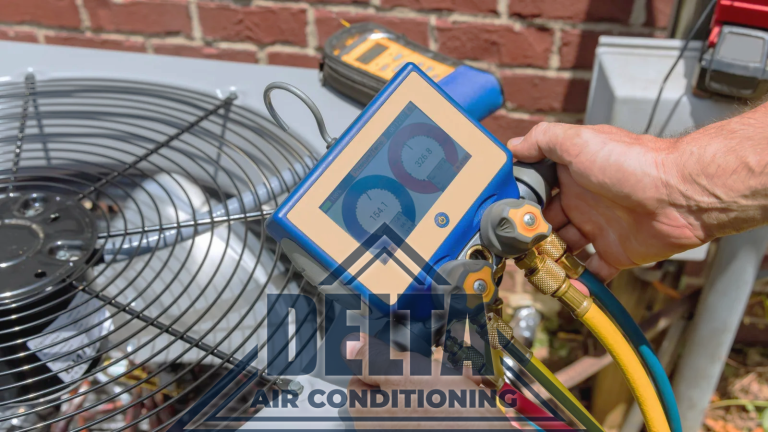
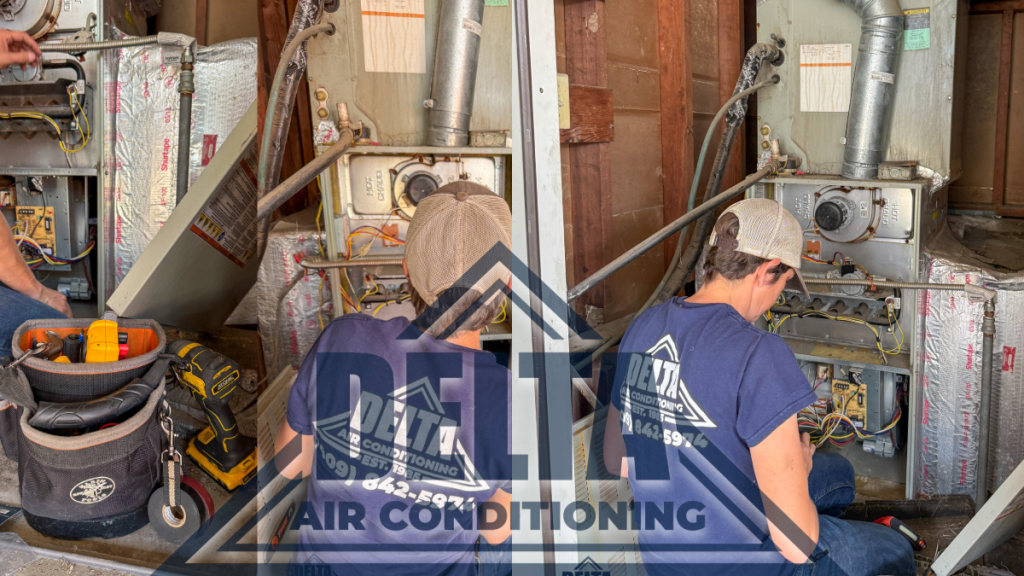
A thorough maintenance visit typically includes system inspection, cleaning, performance testing, and safety checks. Technicians look for airflow restrictions, electrical wear, refrigerant performance issues, and signs of developing problems.
The goal isn’t just to keep the system running today — it’s to keep it operating efficiently and reliably over time.
Why Airflow Matters More Than Most Homeowners Realize
Airflow is one of the most important — and most overlooked — factors in HVAC system health.
Restricted airflow forces the AC unit and heating equipment to work harder than necessary. Over time, this extra strain increases energy use, reduces comfort, and shortens component lifespan.
Simple steps like replacing air filters regularly and keeping vents unobstructed play a significant role in maintaining proper airflow.
The Role of Seasonal Maintenance
HVAC systems experience different stresses depending on the season.
Cooling season places heavy demand on the AC unit, while heating season challenges burners, heat exchangers, and safety controls. Seasonal maintenance helps prepare the system for these shifts and ensures it operates safely and efficiently year-round.
Regular checkups also help identify wear patterns before peak demand exposes them.
How Maintenance Extends System Lifespan
Many of the components that lead to system failure show warning signs long before they break completely.
Maintenance allows technicians to identify electrical issues, refrigerant concerns, and mechanical wear early. Addressing these problems proactively helps prevent cascading failures that shorten system life.
Over time, consistent maintenance reduces the likelihood of major breakdowns and helps systems reach — and sometimes exceed — expected lifespan ranges.
Energy Efficiency and Operating Costs
A well-maintained HVAC system doesn’t just last longer — it operates more efficiently.
Clean coils, proper airflow, and correctly calibrated components allow the system to cool and heat more effectively while using less energy. Even small efficiency improvements can add up over years of operation.
Maintenance helps ensure energy isn’t wasted due to preventable issues.
Why Skipping Maintenance Often Costs More Later
Many homeowners skip maintenance because the system seems to be working fine.
Unfortunately, this often leads to larger repair bills later. Minor issues that could have been corrected during routine maintenance can escalate into expensive repairs or premature replacement when left unaddressed.
Preventive care is almost always more cost-effective than reactive repairs.
How Maintenance Plans Fit Into Long-Term Care
Maintenance plans provide a structured approach to system care. Rather than relying on memory or waiting for problems to appear, scheduled visits ensure consistent oversight and early detection.
For homeowners focused on long-term reliability, maintenance plans simplify upkeep and help protect the investment made in their HVAC system.
The Bottom Line
HVAC systems that receive consistent maintenance tend to last longer, perform better, and experience fewer unexpected failures.
While no system is guaranteed to run forever, proper care can significantly extend equipment life and reduce long-term costs. Understanding how maintenance works allows homeowners to make informed decisions about protecting their comfort and their system.