Let’s walk through what regular HVAC maintenance actually does for your Dallas home, your comfort, and your wallet.
Why Regular HVAC Service Matters in Dallas
Dallas isn’t a mild-weather city. Your air conditioner works overtime for months, and your heater still gets a decent workout in winter. That extra workload means more wear and tear than in cooler climates.
Regular HVAC service helps:
- Keep your system running efficiently, so it uses less energy to cool or heat your home.
- Catch small issues before they become expensive breakdowns.
- Reduce the chances of a “no cool” situation in the middle of a North Texas heat wave.
Think of it like oil changes for your car: you can skip them for a while, but eventually you’ll pay for it—often in a much bigger way.
Benefit 1: Lower Energy Bills
A system that’s dirty, out of tune, or struggling with poor airflow has to work harder to keep your home comfortable. That extra effort shows up as higher electric bills—especially during Dallas summers when your AC may run for hours at a time.
During a professional tune‑up, a technician will typically:
- Clean coils so heat can move in and out of your home more easily.
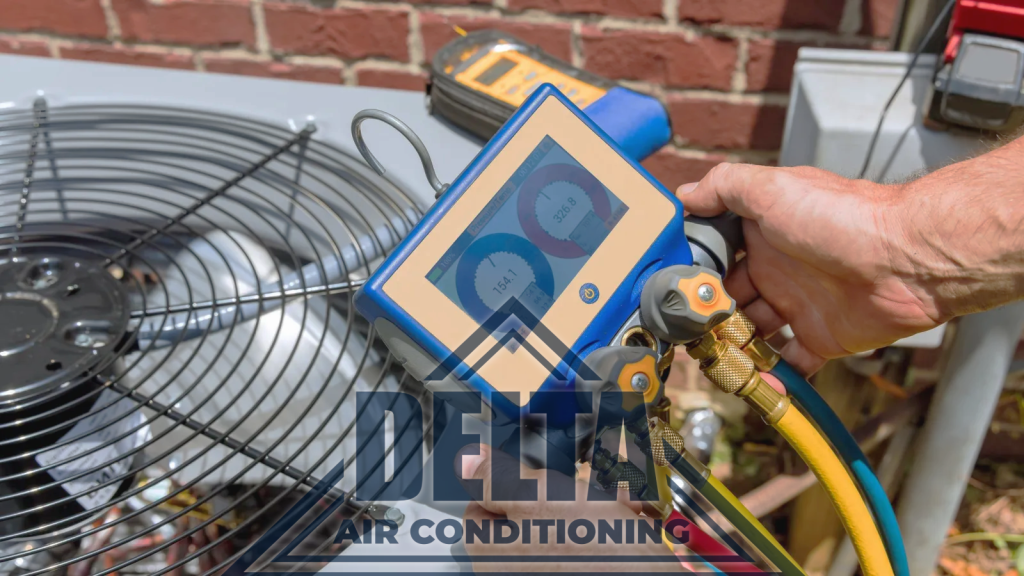
- Check refrigerant levels so the system isn’t overworked.
- Verify airflow and check for issues that make the unit run longer than it should.
The result: your system doesn’t have to “fight” itself to do its job, and you aren’t overpaying the power company.
Benefit 2: Fewer Breakdowns and Emergencies
Most major HVAC failures don’t happen out of nowhere. They usually start as small issues—loose parts, weak capacitors, dirty coils, low refrigerant—that get worse over time.
With regular service, a technician can:
- Spot worn or failing parts before they cause a breakdown.
- Find minor electrical issues before they trip breakers or damage equipment.
- Identify problems that could shut your system down on the hottest or coldest days.
In Dallas, where AC failure in July or August is a real emergency, prevention is worth a lot more than cure.
Benefit 3: Longer System Lifespan
Your HVAC system is one of the most expensive pieces of equipment in your home. The better you take care of it, the longer it tends to last.
Maintenance supports a longer lifespan by:
- Reducing strain on the compressor and motors.
- Keeping components cleaner and better lubricated.
- Preventing conditions that lead to overheating or freezing.
Most homeowners want their system to reach or exceed its expected lifespan (often 10–15 years for many units). Regular tune‑ups make that much more likely.
Benefit 4: Better Comfort and Air Quality
Comfort in a Dallas home isn’t just about being “cool” or “warm.” It’s also about:
- Even temperatures from room to room.
- Steady airflow from vents.
- Reasonable humidity levels.
Maintenance visits often include:
- Checking and adjusting airflow.
- Inspecting ductwork for obvious issues.
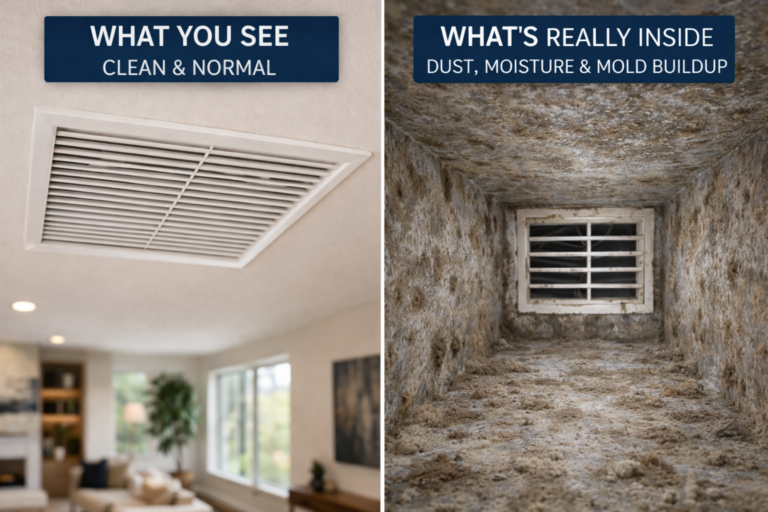
- Cleaning components that can harbor dust and debris.
Combined with regular filter changes, this helps improve indoor air quality and comfort—important for anyone with allergies, asthma, or pets.
Benefit 5: Protecting Your Warranty
Many manufacturers include a maintenance requirement in their warranty terms. That means if a major component fails and you’ve never had the system professionally serviced, you might have trouble getting that warranty honored.
By keeping a record of regular tune‑ups, you:
- Show that the system has been properly maintained.
- Make it easier to qualify for warranty coverage if something big goes wrong.
It’s a simple way to protect a major investment in your home.
How Often Should You Service Your HVAC in Dallas?
For most Dallas‑area homeowners, a good rule of thumb is:
- Once a year at minimum for a combined system (heating and cooling).
- Ideally twice a year:
- Spring AC tune‑up before the real heat hits.
- Fall heating check before the colder nights arrive.
If your system is older, runs almost nonstop in summer, or you’ve had issues in the past, staying on the twice‑a‑year schedule is usually a smart move.
What Happens During a Typical HVAC Tune‑Up?
Each company’s checklist is a little different, but most professional maintenance visits in Dallas include things like:
- Inspecting and cleaning indoor and outdoor coils.
- Checking refrigerant levels (and looking for signs of leaks).
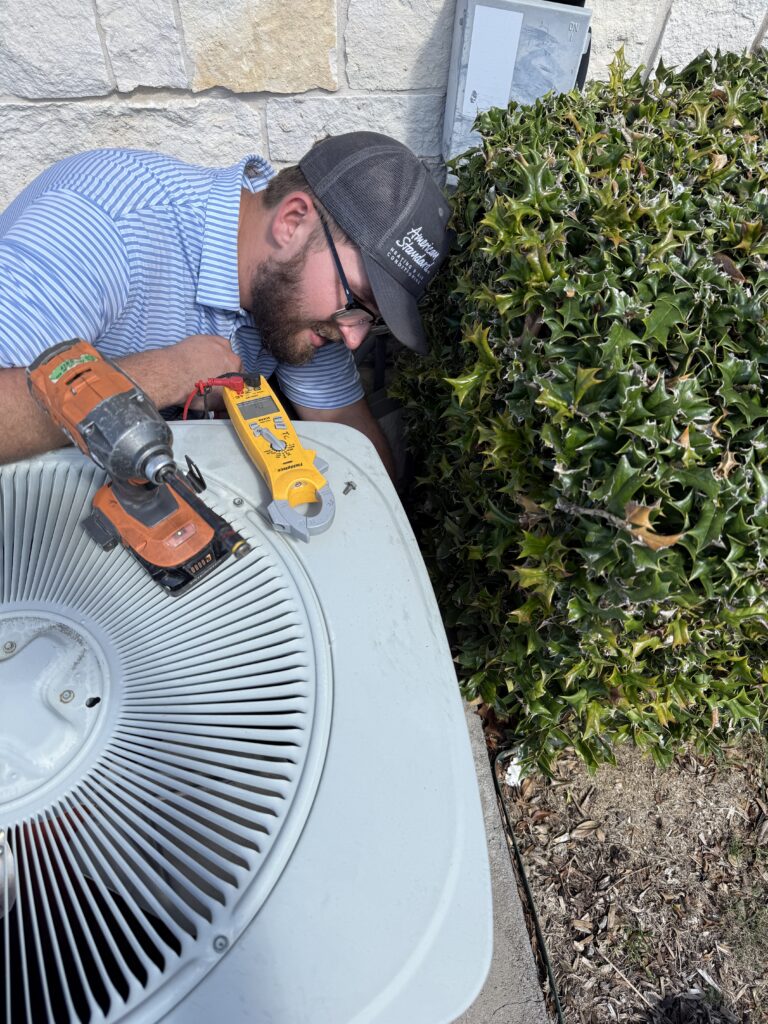
- Testing electrical connections, capacitors, and safety controls.
- Checking thermostat operation and settings.
- Inspecting drain lines and drain pans for clogs and water issues.
- Checking airflow and filters.
You get a clearer picture of your system’s health and can plan ahead instead of being surprised.
Is Regular HVAC Service Really Necessary?
Could you skip maintenance for a year and be okay? Probably.
Will skipping it year after year eventually cost you more in higher bills, more repairs, and a shorter system life? Very likely.
In a climate like Dallas, where your AC carries such a heavy load, regular service isn’t just a “nice to have.” It’s one of the simplest ways to:
- Keep your home comfortable.
- Avoid stressful emergency breakdowns.
- Protect the money you’ve invested in your system.
Dallas Homeowner FAQ: HVAC Maintenance
Q: My system seems fine. Should I still schedule maintenance?
A: Yes. Maintenance is most effective before you notice problems. By the time comfort issues or noises appear, wear and tear has usually already progressed.
Q: Is a maintenance plan worth it?
A: For Dallas homeowners, a plan that includes spring and fall visits can be worth it if it offers priority service, discounts on repairs, or locked‑in pricing. It also makes it easier to remember to schedule tune‑ups.
Q: Can I just change my own filters instead of paying for service?
A: Changing filters regularly is essential and something you should absolutely do yourself. But filter changes alone don’t replace a full system inspection and tune‑up.
Ready to Schedule HVAC Service in Dallas?
If you live in Dallas or the surrounding areas and your system hasn’t been checked in a while, now is a great time to schedule maintenance—before the next extreme season hits.
A quick tune‑up today can help you avoid a sweaty night without AC in July or a chilly morning without heat in January