We’ve all been there. It’s late May or early June, the Texas sun is beating down on the pavement in Beaumont or the high-rises in Dallas, and you realize the air coming out of your vents feels… lukewarm.
In Texas, a broken AC isn’t just an inconvenience; it’s an emergency. Proactive Texas AC maintenance is the difference between a cool summer and a $4,000 emergency. But here’s the thing: air conditioners rarely just “die” without warning. They usually scream for help for weeks before the final meltdown.
If you want to avoid being on a five-day waiting list for a repair during the first heatwave of 2026, keep an eye (and an ear) out for these five warning signs.
1. The “Short Cycle” Shuffle
Does your AC turn on, run for three minutes, and then abruptly shut off, only to start back up again a few minutes later? That’s called short cycling.
In the current 80-degree weather, your unit might be able to keep up. But once we hit 100°F, that constant starting and stopping will overheat the compressor. Short cycling is often a sign of an oversized unit, a dying capacitor, or a refrigerant leak—none of which play well with Texas summers.
2. The Humidity is Winning
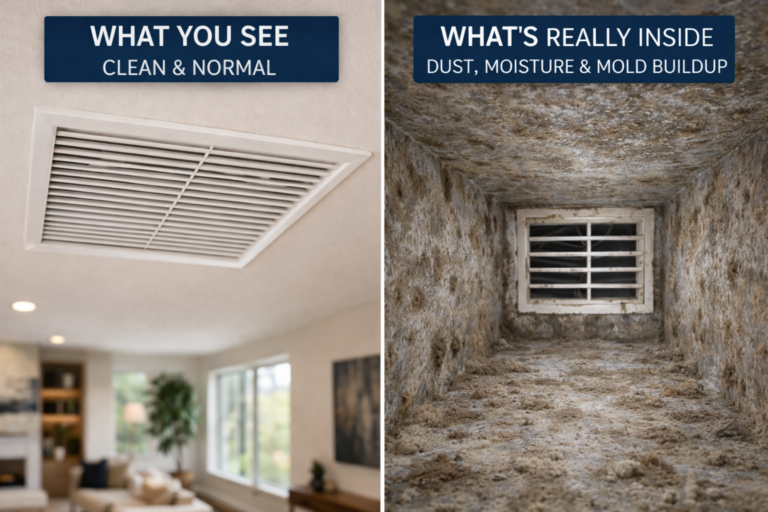
In Southeast Texas, we expect it to be humid outside. We don’t expect it to be humid inside. Your AC’s secondary job is to act as a dehumidifier. If your skin feels “sticky” while sitting on the couch or your windows are showing interior condensation, your cooling coils are likely struggling. When the real heat hits, a unit that can’t manage moisture will leave your home feeling like a sauna.
3. Energy Bills That Don’t Match the Weather
Take a look at your last electric bill. If your usage is significantly higher than it was this time last year—despite the weather being relatively similar—your system is working overtime to do half the work. This “efficiency lag” usually points to clogged condenser coils or a motor that’s on its last legs.
4. Strange Sounds (The Screech and the Thump)
Your AC should be part of the background noise of your life. If you start hearing:
- Grinding or Screeching: This is usually a bearing in the blower motor or the fan.
- Banging: Something has come loose or the compressor is “slugging.”
- Clicking: Usually an electrical issue or a failing relay.
If it sounds like a haunted house in your utility closet, it won’t survive a 24/7 workload in July.
5. The “Old Age” Milestone
In the Texas heat, an AC unit is like a car that only drives uphill. If your system is over 10 to 12 years old, it’s entering its “retirement” years. While a well-maintained unit can last longer, the stress of a Texas 100-degree day is often the straw that breaks the camel’s back for older equipment.
The Smart Texas AC Maintenance Move: A Pre-Summer Stress Test
The goal isn’t to scare you—it’s to save you from a $4,000 emergency replacement in the middle of July.
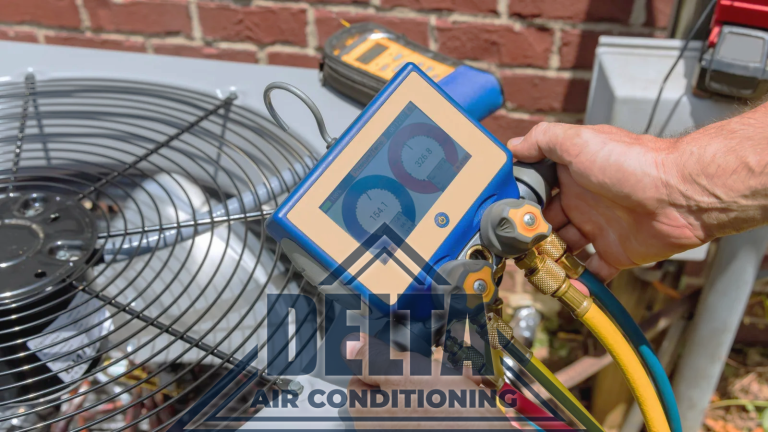
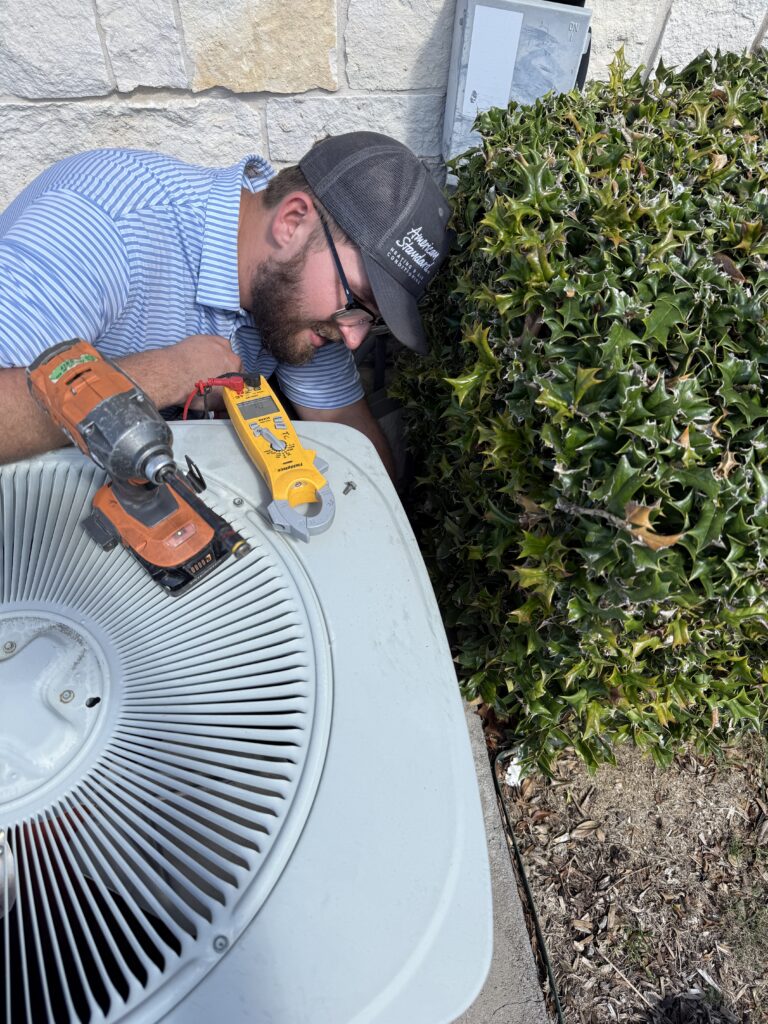
At Delta Air Conditioning, we recommend a “Stress Test” before the heat hits. We check the refrigerant levels, clean the coils, and ensure your electrical components can handle the heavy draw of a heatwave.
Don’t wait for the first 100-degree day to find out your AC can’t handle the heat. Give us a call in Beaumont or Dallas today, and let’s make sure you stay cool all summer long