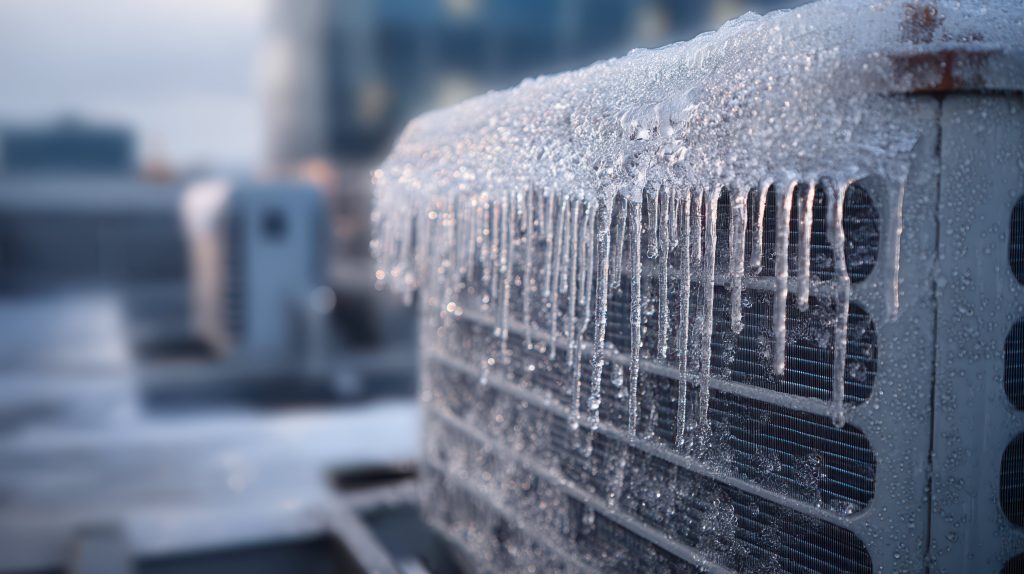
Texas winters are unpredictable. One week it’s mild and comfortable, and the next you’re dealing with freezing temperatures that can put serious strain on your HVAC system. Homeowners across North Texas have learned—often the hard way—that a sudden freeze can lead to frozen components, system failures, and costly emergency repairs.
Protecting your HVAC system before and during a Texas freeze is not just smart—it can save you money, prevent downtime, and help keep your family safe and comfortable. Below, we break down exactly what you should do to protect your heating and cooling system when temperatures drop.
Why Texas Freezes Are Hard on HVAC Systems
Unlike northern states, many HVAC systems in Texas are not exposed to prolonged cold weather. That means components such as outdoor units, drain lines, and insulation are often more vulnerable when freezing temperatures hit.
Common cold-weather HVAC problems include:
- Frozen condensate drain lines
- Cracked pipes and coils
- Furnace ignition failures
- Heat pump inefficiencies
- Outdoor unit damage from ice buildup
Taking preventative steps ahead of a freeze can significantly reduce the risk of system failure when you need heat the most.
Keep Your Thermostat Set and Consistent
One of the biggest mistakes homeowners make during a freeze is turning their system off to “save money.” In reality, shutting down your HVAC system during freezing weather can cause pipes and internal components to freeze.
Best practice during a Texas freeze:
- Keep your thermostat set to a consistent temperature
- Avoid turning the system off overnight
- Maintain at least 68°F inside your home
Your HVAC system is designed to run continuously during cold weather. Short cycling or shutting it down entirely can cause more harm than good.
Protect Your Outdoor HVAC Unit
Your outdoor unit is especially vulnerable during freezing temperatures.
Clear the Area Around the Unit
Before a freeze:
- Remove leaves, debris, and dirt
- Trim back vegetation
- Ensure at least 2 feet of clearance around the unit
Restricted airflow can cause ice buildup and reduce system efficiency.
Cover the Unit (The Right Way)
Covering your outdoor HVAC unit can help—but only if done correctly.
What to do:
- Use a breathable HVAC cover or tarp
- Cover only the top of the unit, not the sides
- Secure it so wind cannot loosen it
What not to do:
- Do not wrap the entire unit tightly
- Do not use plastic that traps moisture
Trapped moisture can freeze and damage internal components.
Insulate Exposed Pipes and Drain Lines
Frozen pipes are one of the most common causes of HVAC damage during a Texas freeze.
Key Areas to Insulate
- Condensate drain lines
- Refrigerant lines
- Any exposed piping near the outdoor unit
Use foam pipe insulation, heat tape, or weather-rated wraps to protect vulnerable areas. This small investment can prevent cracked lines and water damage.
Change or Clean Your Air Filter
A clogged air filter restricts airflow, forcing your system to work harder—especially during cold weather.
Before a freeze:
- Replace dirty filters
- Ensure proper airflow throughout your home
Proper airflow helps your heating system maintain consistent temperatures and reduces strain on critical components.
Check Your Furnace and Heat Pump Early
The worst time to discover a problem is during a freeze when HVAC companies are flooded with emergency calls.
Schedule a professional HVAC inspection to:
- Test ignition systems
- Inspect heat exchangers
- Check electrical components
- Verify proper airflow and system performance
Preventative maintenance helps catch small issues before they turn into no-heat emergencies.
Use Ceiling Fans to Improve Heat Distribution
Warm air naturally rises. Running your ceiling fans clockwise at a low speed helps push warm air back down into living spaces.
Benefits include:
- Improved comfort
- Reduced heating costs
- Less strain on your HVAC system
This simple adjustment can make a noticeable difference during cold snaps.
Know the Warning Signs of HVAC Trouble
During freezing weather, pay attention to early warning signs such as:
- Unusual noises
- Weak airflow
- Cold air coming from vents
- Short cycling
- Rising energy bills
If something feels off, it’s better to address it early rather than wait for a complete system failure.
What to Do If Your HVAC System Freezes
If you suspect your system has frozen:
- Turn the system off
- Do not attempt to force it to run
- Avoid using open flames or heaters to thaw components
- Call a licensed HVAC professional immediately
Attempting DIY repairs can cause further damage and safety risks.
Trust Delta Air Conditioning to Keep You Warm
Texas freezes don’t happen often—but when they do, preparation makes all the difference. Protecting your HVAC system ensures your home stays warm, safe, and comfortable even when temperatures drop unexpectedly.
Delta Air Conditioning provides professional heating inspections, preventative maintenance, and emergency HVAC repair to help homeowners stay ahead of winter weather. Whether you need a system checkup before a freeze or fast service when things go wrong, our team is ready to help.Need help preparing your HVAC system for winter?
Contact Delta Air Conditioning today to schedule a heating inspection or preventative maintenance service.