Dust collecting around your air vents? Noticing musty odors when your air conditioner runs? Wondering whether the ductwork hidden behind your walls could be affecting your home’s comfort?
You’re not alone. Many Dallas homeowners eventually ask the same question: Is professional air duct cleaning actually worth the money?
The answer depends on what’s happening inside your HVAC system.
While air duct cleaning can be beneficial under the right circumstances, not every home needs it. Understanding when cleaning is necessary, what it accomplishes, and what warning signs to watch for can help you make an informed decision.
At Delta Air Conditioning, we’ve been helping Texas homeowners maintain reliable heating and cooling systems since 1985. Here’s what Dallas-area homeowners should know before scheduling an air duct cleaning service.
What Is Air Duct Cleaning, and Why Does It Matter?
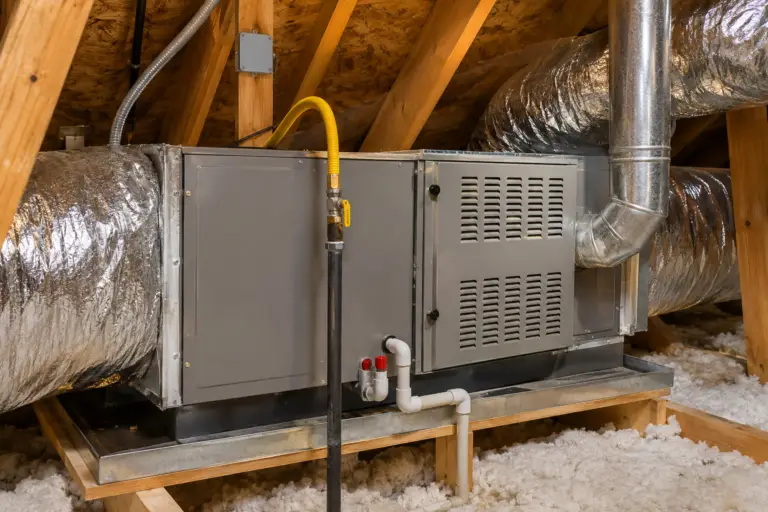
Your home’s HVAC ductwork is responsible for distributing conditioned air throughout your living spaces. When your air conditioner or furnace operates, air moves through a network of supply ducts, return ducts, and ventilation openings.
Over time, dust, household debris, pet hair, and other particles can accumulate inside portions of that system.
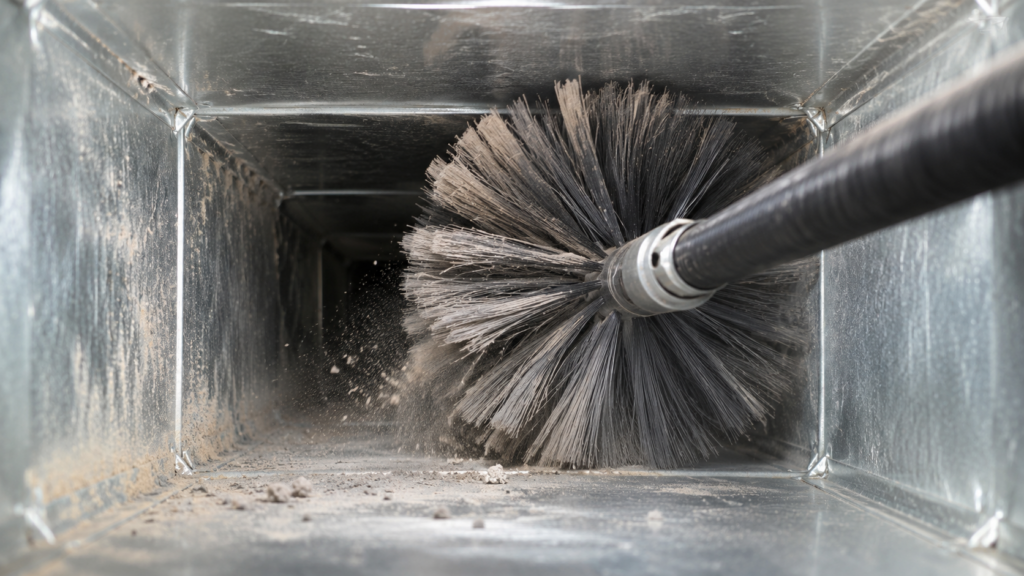
Professional air duct cleaning involves removing accumulated contaminants from accessible ductwork using equipment and techniques appropriate for the duct materials.
Depending on the service and the condition of your system, cleaning may also involve registers, return-air pathways, and associated HVAC components.
However, there’s an important distinction between ordinary dust accumulation and contamination that justifies professional cleaning.
The Environmental Protection Agency (EPA) does not recommend routine duct cleaning for every household. Instead, it recommends considering cleaning when specific conditions are present.
That distinction is especially important when deciding whether to invest in professional duct cleaning in Dallas.
5 Signs Your Dallas Home May Need Air Duct Cleaning
1. Excessive Dust or Debris Is Coming From Your Air Vents
Some dust around supply registers and return grilles is normal. However, visible particles blowing out of your vents or substantial debris inside the ductwork may indicate a larger problem.
Warning signs include:
- Dust or debris visibly discharged when the HVAC system starts.
- Large deposits of dirt inside accessible duct openings.
- Construction materials or other debris left inside ductwork.
- Unusual accumulations that persist despite proper filtration and housekeeping.
Before assuming dirty ducts are responsible, inspect your air filter and make sure it fits correctly.
Dust can also enter your home through windows, doors, and other openings. A professional evaluation can help determine whether the ductwork is actually contributing to the problem.
2. You’ve Discovered Rodents or Insects Inside Your Ductwork
Pest contamination is one of the clearest reasons to consider professional duct cleaning.
Rodents, insects, and other pests can occasionally enter duct systems through damaged connections, openings, or poorly sealed access points.
Evidence may include unusual scratching sounds, nesting materials, droppings, or visible insects near duct openings.
If pests have entered your HVAC system, cleaning alone isn’t enough.
The entry points must be identified and repaired, and any active infestation should be addressed before contaminated ductwork is cleaned.
Damaged or heavily contaminated duct materials may also require replacement.
3. There’s Visible Mold-Like Growth or Ongoing Moisture Inside the System
Moisture and HVAC ductwork are not a good combination.
Condensation, water intrusion, improperly insulated ducts, or drainage problems can create conditions that support microbial growth.
If you notice visible mold-like material inside accessible ductwork or on HVAC components, professional evaluation is appropriate.
However, not every dark spot or discoloration is mold. Proper identification may require evaluation or testing by a qualified professional.
It’s also important to understand that cleaning doesn’t eliminate the underlying moisture problem.
If water continues entering the duct system, contamination may return.
In some circumstances, wet or mold-contaminated fiberglass duct insulation must be replaced rather than cleaned.
The priority should always be identifying and correcting the source of moisture before deciding how to address the affected ductwork.
4. Your Home Recently Underwent Major Renovations
Home renovations can produce substantial amounts of fine dust and construction debris.
Drywall work, flooring replacement, remodeling, and other construction activities may introduce particles into an HVAC system, particularly when supply or return openings weren’t adequately protected.
If your Dallas home recently underwent extensive renovations, it may be worth inspecting the ductwork.
Not every remodeling project requires duct cleaning. However, if significant construction debris entered the system, professional cleaning may be appropriate.
Homeowners planning future renovations should protect duct openings and avoid operating the HVAC system during especially dusty construction activities when practical.
5. Your Ductwork Has Experienced Water Damage or Other Significant Contamination
Water leaks, roof damage, flooding, or other unusual events can affect HVAC ductwork.
These situations deserve attention because some duct materials are difficult or impossible to restore once contaminated.
A professional evaluation can help determine whether cleaning, duct repair, or replacement is the most appropriate solution.
For Dallas homeowners with ductwork running through attics, inspecting insulation, duct connections, and potential sources of moisture can also help identify problems before they become more extensive.
When Air Duct Cleaning Might Not Be Necessary
One of the most common misconceptions about air duct cleaning is that every homeowner should schedule it every few years.
There is no universal cleaning schedule that applies to every home.
According to the EPA, routine air duct cleaning has not been conclusively shown to prevent health problems or consistently improve indoor particle levels.
If your ductwork is reasonably clean, your filters are maintained, and there are no signs of substantial contamination, professional cleaning may not be necessary.
Consider these examples:
Dust on a return-air grille: This can be normal because the grille collects particles as air enters the return system.
Ordinary household dust: Dust on furniture doesn’t automatically mean the ducts are contaminated.
Higher-than-expected utility bills: Dirty coils, duct leakage, inadequate insulation, and aging equipment may be more relevant than ordinary dust inside the ducts.
Uneven temperatures between rooms: Airflow restrictions, duct design, equipment problems, or insulation deficiencies may be responsible.
The best approach is to diagnose the problem rather than assume duct cleaning is the solution.
Air Duct Cleaning vs. Duct Repair: What’s the Difference?
Although these services are related, they solve different problems.
Air duct cleaning addresses dust, debris, and certain forms of contamination inside the ductwork.
Duct repair and sealing address physical problems such as disconnected ducts, damaged sections, air leaks, and deteriorated connections.
This distinction matters because cleaning an improperly sealed duct system won’t correct the underlying leakage.
For example, attic dust may enter return ductwork through gaps or damaged connections. Cleaning the ducts without repairing those openings may allow new debris to enter.
Similarly, ductwork that is poorly sized or improperly installed can create airflow and comfort problems that cleaning alone cannot resolve.
If you’re experiencing excessive dust, poor airflow, or inconsistent room temperatures, an HVAC professional can help identify the appropriate corrective service.
Learn more about Delta Air Conditioning’s indoor air quality and ductwork services.
What Should You Expect From Professional Air Duct Cleaning?
Before hiring an air duct cleaning company in Dallas, make sure you understand what’s included in the service.
A responsible provider should explain the condition of your ductwork, the proposed cleaning method, and any limitations related to the materials or accessibility of your system.
A professional duct cleaning process may include:
- Initial inspection: Assessing accessible ductwork and identifying areas of significant contamination.
- System protection: Taking appropriate precautions to protect household furnishings, HVAC equipment, and duct materials.
- Debris removal: Using suitable vacuum collection and agitation methods to remove accumulated debris.
- Component evaluation: Determining whether registers, return-air pathways, or associated HVAC components need additional attention.
- Final verification: Checking that the work has been completed appropriately and the system remains in proper operating condition.
Cleaning methods should be appropriate for the type of ductwork installed in your home.
Flexible ducts, fiberglass duct board, and sheet-metal ductwork may require different handling.
Be cautious of contractors who automatically recommend chemical treatments, make sweeping health claims, or advertise unusually low prices without clearly explaining the scope of work.
A reputable provider should be able to explain what your home needs and why.
Can Air Duct Cleaning Improve HVAC Efficiency?
This is another common question among Dallas homeowners.
Cleaning substantial obstructions from ductwork may help resolve airflow problems caused by those obstructions.
However, cleaning relatively normal amounts of dust from ducts has not been proven to consistently reduce energy consumption.
Other HVAC maintenance activities often have more direct implications for system performance.
These include:
- Replacing dirty air filters.
- Cleaning contaminated evaporator coils.
- Checking blower components.
- Repairing duct leakage.
- Addressing airflow restrictions.
- Maintaining appropriate insulation.
If your primary concern is high energy bills or uneven cooling, a comprehensive HVAC evaluation may be more valuable than scheduling duct cleaning without first identifying the problem.
How Can Dallas Homeowners Keep Their Ductwork Cleaner?
Preventing contamination is generally easier than removing it after substantial buildup occurs.
A few practical maintenance habits can help protect your HVAC system.
Replace your HVAC filters regularly. Follow the manufacturer’s recommendations and inspect filters more frequently when dust levels or operating conditions warrant it.
Keep return-air openings unobstructed. Furniture and other objects shouldn’t restrict airflow into the HVAC system.
Address water leaks promptly. Moisture problems should be corrected before they affect insulation, ductwork, or other HVAC components.
Protect vents during renovations. Prevent construction debris from entering ducts whenever possible.
Schedule routine HVAC maintenance. Regular system inspections can identify filtration, drainage, airflow, and equipment problems before they become more significant.
Have damaged ducts repaired. Properly maintained duct connections can help reduce unwanted air leakage and the entry of debris from unconditioned spaces.
These preventive measures can help maintain system performance and reduce the likelihood of contamination-related problems.
Frequently Asked Questions About Air Duct Cleaning in Dallas
How often should air ducts be cleaned?
There is no universally recommended interval. The EPA recommends cleaning as needed when conditions such as substantial debris accumulation, pest infestation, or significant visible mold growth are present.
Does air duct cleaning help with allergies?
Removing substantial contamination may address a particular source of debris, but duct cleaning has not been proven to prevent allergies or other health conditions. Effective filtration, moisture control, and identifying actual indoor pollutants are also important.
How much does air duct cleaning cost in Dallas?
Pricing depends on the size and configuration of the duct system, accessibility, the extent of contamination, and the work required. Request a written estimate that clearly identifies the included services before approving the work.
Will air duct cleaning eliminate dust throughout my house?
No. Household dust comes from multiple sources, including clothing, flooring, pets, outdoor air, and everyday activities. Duct cleaning addresses contamination within the HVAC system, not every source of dust inside your home.
Should I clean or replace contaminated ducts?
That depends on the material and the nature of the contamination. Some hard-surface ducts can be cleaned effectively, while water-damaged or mold-contaminated insulated materials may require replacement.
Schedule Professional Air Duct Service in Dallas, TX
Air duct cleaning can be a worthwhile investment when your HVAC system has a genuine contamination problem. The key is knowing when cleaning is appropriate and when another service will provide a better solution.
Whether you’re concerned about excessive debris, possible duct contamination, or the overall condition of your home’s ventilation system, Delta Air Conditioning can help you evaluate your options.
Serving Dallas and the Dallas–Fort Worth area since expanding our decades-long Texas HVAC service tradition, Delta Air Conditioning provides professional duct cleaning, duct repair, indoor air quality solutions, and comprehensive heating and cooling services.
Don’t spend money on services your home doesn’t need. Start by identifying the actual problem.
Call Delta Air Conditioning at (214) 206-8800 or contact our Dallas team online to discuss your ductwork and schedule service.
Additional homeowner guidance: U.S. Environmental Protection Agency — Should You Have the Air Ducts in Your Home Cleaned?