
Why allergies hit so hard in Dallas
If it feels like you’re sniffling almost year‑round in Dallas, you’re not imagining it. Our climate and local plants create a perfect storm for allergy sufferers.
- Mountain cedar releases heavy pollen from about late December into February, causing intense “cedar fever” symptoms for many residents.
- In spring, tree pollens like oak and walnut ramp up, followed by Bermuda and other grasses in late spring and early summer.
- During our hot, humid summers, mold spores thrive outdoors and can stay high well into the season.
- Household dust, including dust mites, is a problem indoors all year and adds to the mix when outdoor pollen is already high.
When you combine cedar, mold, dust, and humidity, “Dallas allergies” stop being a seasonal nuisance and turn into something many people battle almost every month of the year.
Why indoor air is often worse than outdoor air
Most people assume staying inside keeps them safe from Dallas allergies, but the air quality inside a home in Dallas can actually be more polluted than the air outside.
Here’s why:
- Homes are built tighter than ever to improve energy efficiency, which means less fresh air and more trapped pollutants if they’re not ventilated correctly.
- Your HVAC system constantly pulls air from inside the home, pushes it through the ducts, and recirculates it, along with any dust, pollen, pet dander, and mold spores that have settled in the system.
- Dirty or leaky ducts allow dust, insulation, and other debris to enter the airstream and then spread into every room.
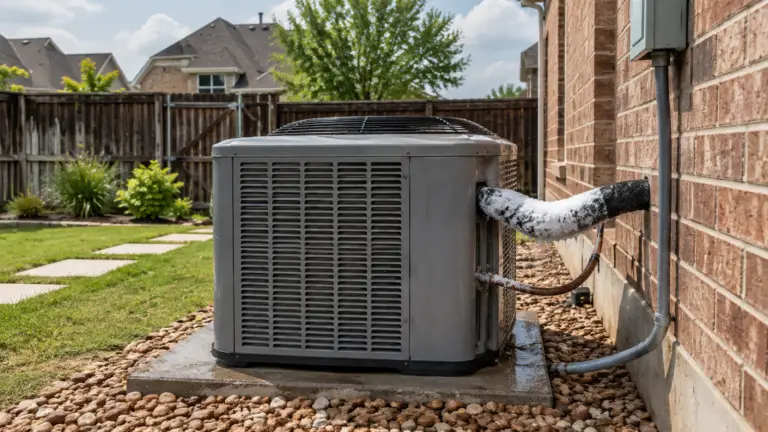
- Dallas humidity can lead to condensation inside ducts and equipment, creating a damp environment where mold and bacteria can grow and then circulate through your home.
So even on days when the outdoor counts don’t look terrible, the air quality inside your home in Dallas may still be working against you.
Common symptoms of poor indoor air
Poor indoor air quality doesn’t always announce itself with a big, dramatic problem. Often, it shows up as everyday symptoms that are easy to blame on “just allergies” or being tired.
Watch for patterns like these:
- Stuffy or runny nose, sinus pressure, or lingering congestion that’s worse at home or at night.
- Itchy, dry, or watery eyes that flare up indoors even after you’ve been away from outdoor pollen.
- Frequent headaches, brain fog, or unexplained fatigue that seems to ease when you spend time outside or away from the house.
- More dust than usual collecting on furniture, plus musty or stale odors that don’t go away even after cleaning.
- Worsening asthma or allergy symptoms for certain family members, especially children or older adults.
These symptoms can be tied directly to indoor pollutants like dust mites, mold spores, VOCs from household products, and contaminants that build up in HVAC systems.
How your HVAC affects indoor air quality
Your HVAC system does much more than heat and cool the house; it’s essentially the lungs of your home. When those “lungs” aren’t healthy, the air you breathe won’t be either.
Here’s how your system can help or hurt indoor air quality in Dallas:
- Filters: A basic, inexpensive filter mainly protects the equipment, not your lungs. Higher‑quality filters, sized and installed correctly, can capture more of the fine particles that trigger Dallas allergies.
- Ductwork: Dust, pollen, pet dander, and even bits of attic insulation can build up in dirty or leaky ducts and then get blown into every room whenever the system runs.
- Humidity: In a humid climate, poorly controlled moisture in the system can support mold growth in ducts and on coils, releasing spores and musty odors back into your living spaces.
- Airflow: Clogged filters or blocked ducts reduce airflow, forcing the system to work harder and allowing some rooms to stay stuffy and stale while others feel comfortable.
Well‑designed HVAC and indoor air quality setups don’t just move air; they filter, refresh, and balance it so you’re not constantly breathing the same contaminated air over and over.
When professional IAQ solutions actually help
Not every home needs every gadget, but there are times when professional indoor air quality solutions are worth serious consideration.
You may benefit from expert help if:
- Allergy or asthma symptoms noticeably worsen at home, especially at night or when the HVAC kicks on.
- You see or smell signs of mold, or you’ve had water leaks, high humidity, or condensation around vents and equipment.
- Dust seems to come back within a day or two of cleaning, or certain rooms always feel stuffy or stale.
- Family members complain about recurring headaches, fatigue, or irritation that eases when they leave the house.
Depending on what’s going on in your home, a professional may recommend:
- Detailed duct inspection and cleaning to remove built‑up dust, debris, and mold growth.
- Upgraded filtration or whole‑home air purification to capture finer particles and neutralize some biological contaminants.
- Humidity control solutions to keep moisture in a healthy range and make your home less friendly to mold and dust mites.
- Ventilation improvements to bring in controlled fresh air instead of just recirculating what’s already indoors.
A good IAQ professional will start by understanding your home, your system, and your symptoms, rather than pushing a one‑size‑fits‑all product.
Find out what’s in your air
If you’re dealing with stubborn Dallas allergies, constant dust, or that “my house just feels stuffy” feeling, it may be time to look closer at the air quality inside your home in Dallas. An indoor air evaluation can highlight what’s circulating through your HVAC system and help you decide whether simple changes or more advanced purification options make sense for your family.
Call Delta Air Conditioning Today!
Dallas (214) 206 – 5974
Beaumont (409) 842 – 5974
Delta Air Conditioning can walk you through your options, from better filtration to duct cleaning and whole‑home air purification, so you can breathe a little easier in your own home again.