Allergies, Germs, and Whole-Home Air Purification
Indoor air quality is a common concern for homeowners across Texas, especially for families dealing with allergies, respiratory issues, or frequent illness. This FAQ is designed to answer the most common questions homeowners ask about indoor air quality, how HVAC systems affect it, and what options exist to improve the air inside the home.
What is indoor air quality?
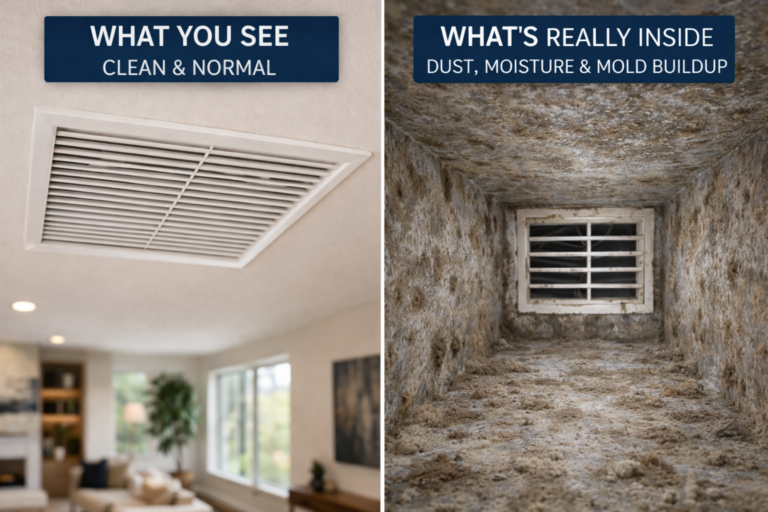
Indoor air quality refers to the condition of the air inside your home as it relates to comfort and health. It is influenced by airborne particles, allergens, humidity levels, chemical pollutants, and microorganisms that circulate through the living space.
Is indoor air really more polluted than outdoor air?
In many cases, yes. Indoor air can be more polluted than outdoor air because contaminants become trapped inside. When windows and doors stay closed, pollutants continue to circulate through the HVAC system instead of being diluted by fresh air.
What causes poor indoor air quality in Texas homes?
Common contributors include seasonal pollen, dust, pet dander, humidity, mold spores, household chemicals, and limited ventilation. Because HVAC systems run frequently in Texas, these contaminants are often redistributed throughout the home.
Can poor indoor air quality affect my health?
Yes. Poor indoor air quality has been linked to allergy symptoms, asthma irritation, respiratory discomfort, headaches, fatigue, and sinus issues. Some people notice symptoms only while indoors, which can be a sign of air quality problems.
Do HVAC air filters clean the air in my home?
HVAC filters help capture larger airborne particles and protect equipment, but they are not designed to eliminate all contaminants. Smaller particles, odors, gases, and microorganisms can remain airborne even with regular filter changes.
How often should I change my HVAC air filter?
Most homes should replace HVAC filters every one to three months, depending on system usage, pets, allergies, and household conditions. While regular filter changes are important, they are only one part of maintaining good indoor air quality.
What is whole-home air purification?
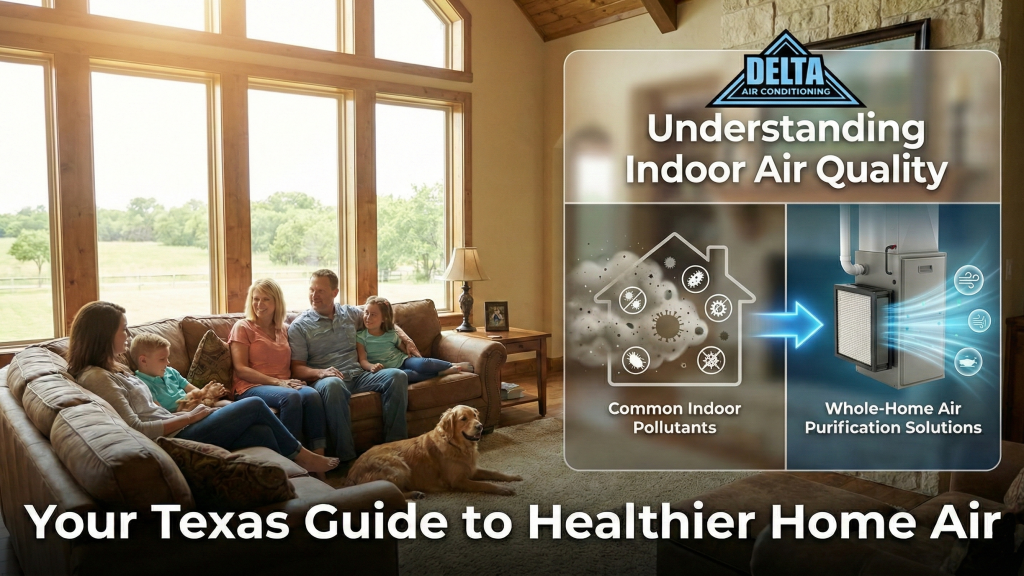
Whole-home air purification refers to systems that work with your HVAC equipment to treat the air as it moves through the system. These solutions are designed to reduce airborne contaminants throughout the entire home rather than in a single room.
How is whole-home air purification different from portable air purifiers?
Portable air purifiers only treat the air in the room they are placed in. Whole-home systems treat air throughout the entire house by working within the HVAC system, providing more consistent and comprehensive coverage.
Can whole-home air purification help with allergies?
Many homeowners use whole-home air purification to help reduce allergens such as pollen, dust, and pet dander. While results vary by system and home conditions, improved air treatment can help reduce airborne triggers.
Does air purification help with germs and bacteria?
Certain air purification technologies are designed to reduce airborne bacteria and other microorganisms as air moves through the HVAC system. This can help improve overall air cleanliness inside the home.
Is whole-home air purification safe?
Whole-home air purification systems are designed to operate safely when installed and maintained properly. A professional evaluation ensures the correct solution is selected for your HVAC system and household needs.
Do whole-home air purifiers require maintenance?
Yes. Like any HVAC-related equipment, air purification systems require periodic maintenance. This may include component replacement or system checks to ensure continued effectiveness.
How do I know if whole-home air purification is right for my home?
A professional indoor air quality assessment can help determine whether whole-home air purification is a good fit. Factors such as allergies, humidity levels, home layout, and HVAC system design all play a role.
How Delta Air Conditioning Helps With Indoor Air Quality
Delta Air Conditioning helps homeowners across Texas understand indoor air quality concerns and evaluate options for improving the air inside their homes. From system inspections to whole-home air quality solutions, our team focuses on practical, long-term improvements that work with your HVAC system.
If you have questions about indoor air quality or want to explore your options, professional guidance can help you make an informed decision. Contact us today and let us show you how we can improve the air in your home.