7 Common Causes Dallas Homeowners Should Know
You turn on your heater expecting warm, comfortable air, but instead, cold air starts blowing through your vents. Your thermostat says the heat is running, yet your house isn’t getting any warmer.
If your heater is blowing cold air in Dallas, TX, the problem could be something as simple as an incorrect thermostat setting or as serious as a malfunctioning furnace.
Although North Texas is known for its intense summer heat, Dallas winters can bring freezing temperatures, sudden cold fronts, and occasional winter storms. When those temperatures drop, a properly functioning heating system becomes essential.
At Delta Air Conditioning, we’ve provided trusted HVAC services to Texas homeowners since 1985. Our team understands how frustrating heating problems can be, especially when they happen unexpectedly.
Here are seven common reasons your heater might be blowing cold air, what you can safely check yourself, and when it’s time to call a professional for heating repair in Dallas.
1. Your Thermostat Is Set Incorrectly
Before assuming something is wrong with your furnace, start with your thermostat.
One of the most common reasons homeowners notice cold air coming from their vents is an incorrect thermostat or fan setting.
Most thermostats have two primary fan settings:
- AUTO: The blower typically operates when the system calls for heating or cooling.
- ON: The blower runs continuously, even when the heating system isn’t actively producing heat.
If your fan is set to ON, your system may circulate room-temperature air between heating cycles. During colder weather, that air can feel surprisingly cool.
What You Can Do
Check your thermostat and confirm that:
- The system is set to HEAT rather than COOL.
- The desired temperature is higher than the current indoor temperature.
- The fan setting is set to AUTO.
- The thermostat display is functioning correctly.
If your thermostat uses batteries, replace them if the display indicates they’re low.
Keep in mind that some heating systems briefly circulate cooler air during startup or shutdown. This doesn’t necessarily indicate a malfunction.
However, if your heater continues blowing cold air without raising the indoor temperature, further troubleshooting may be necessary.
2. Your HVAC Air Filter Is Dirty or Clogged
A dirty air filter might not seem like a serious problem, but it can interfere with your heating system’s ability to operate properly.
Your HVAC filter captures dust, pet hair, and airborne particles before they move through the equipment.
Over time, that debris accumulates and restricts airflow.
When airflow becomes severely restricted, a gas furnace can overheat and activate a safety device that shuts off the burners. The blower may continue operating, circulating unheated air through your home.
A clogged filter can also contribute to poor heating performance in electric furnaces and heat pump systems.
Warning Signs of a Dirty Air Filter
- Weak airflow coming from vents.
- A heating system that runs for short periods before shutting off.
- Rooms that take longer than usual to warm up.
- An unusually dirty or discolored air filter.
- Increasing difficulty maintaining the thermostat temperature.
What You Can Do
Inspect your HVAC filter and replace it if necessary.
Make sure the replacement is the correct size and type for your system.
The U.S. Department of Energy recommends checking filters regularly because restricted airflow can increase equipment wear and energy consumption.
If replacing the filter doesn’t restore proper heating, avoid repeatedly restarting the system. A technician should investigate whether another issue is causing the shutdown.
3. Your Furnace Has an Ignition or Flame Sensor Problem
If your Dallas home uses a gas furnace, the system relies on several components to ignite the burners and maintain safe operation.
Modern furnaces typically use electronic ignition systems rather than continuously burning pilot lights.
When ignition components malfunction, the furnace may fail to produce heat even though the blower continues running.
Common problems include:
Faulty igniter: The furnace cannot reliably ignite the gas burners.
Dirty or malfunctioning flame sensor: The system may shut off the gas supply because it cannot confirm that a flame is present.
Gas valve or ignition control problems: The furnace may be unable to complete its normal ignition sequence.
Signs of an Ignition Problem
You may notice that your furnace:
- Attempts to start but never produces warm air.
- Starts heating briefly before the air turns cold.
- Makes repeated startup attempts.
- Displays an error or diagnostic code.
- Stops heating while the fan continues operating.
Some furnaces enter a temporary safety lockout after unsuccessful ignition attempts.
When to Call a Professional
Ignition systems and gas components should be evaluated by a qualified HVAC technician.
Attempting to bypass safety switches, manually manipulate gas controls, or repeatedly force a furnace to restart can create dangerous conditions.
If your furnace isn’t igniting properly, Delta Air Conditioning can inspect the system and determine which component needs attention.
4. Your Furnace Is Overheating and Shutting Down
It might seem contradictory, but an overheating furnace can actually cause cold air to blow through your vents.
Gas furnaces contain safety controls designed to prevent excessive internal temperatures.
When a furnace overheats, a high-temperature limit switch can shut off the burners to protect the equipment.
Depending on the system, the blower may continue running to remove excess heat.
Once the furnace stops producing heat, homeowners may notice cooler air coming from the vents.
What Causes a Furnace to Overheat?
Several conditions can contribute to overheating:
- Dirty or severely clogged air filters.
- Restricted supply or return airflow.
- Blocked or closed vents.
- Malfunctioning blower components.
- Improper furnace operation or other mechanical problems.
Repeated overheating should never be ignored.
A furnace that frequently trips its safety controls may experience unnecessary wear, and the underlying problem can become more serious over time.
What You Can Do
Check that your air filter is clean and your supply and return vents aren’t blocked by furniture or other objects.
If the problem continues, schedule a professional heating inspection.
A technician can evaluate airflow, blower performance, temperature rise, and the operation of the furnace’s safety controls.
5. Your Heat Pump Is Experiencing a Defrost Cycle or Mechanical Problem
Not every Dallas home uses a traditional gas furnace.
Many North Texas homes rely on electric heat pumps that provide both heating and cooling.
Unlike a furnace, which generates heat, a heat pump moves heat from the outdoor air into your home.
Even when outdoor temperatures are cold, a properly operating heat pump can extract heat and deliver it indoors.
However, heat pumps behave differently from gas furnaces.
Normal Heat Pump Defrost Cycles
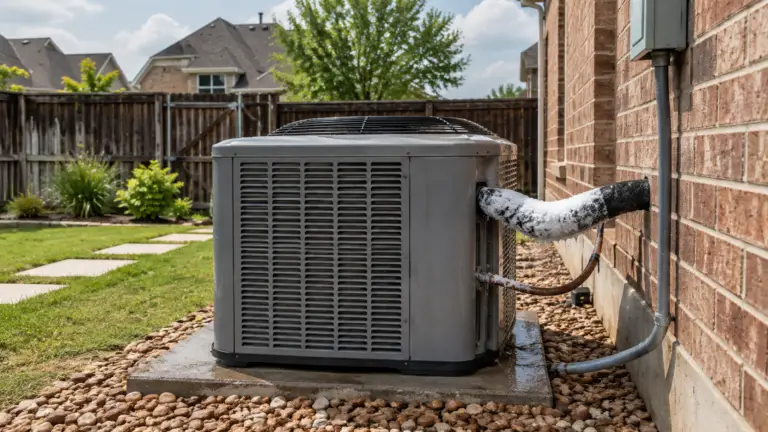
During cold or damp weather, frost may accumulate on the outdoor heat pump coil.
To remove that frost, the system periodically enters a defrost cycle.
During defrost, the equipment temporarily changes operating conditions. If auxiliary heating isn’t keeping up, the air coming from your vents may feel cooler than normal.
A brief change in supply-air temperature during defrost isn’t automatically a sign that something is broken.
When Cold Air Indicates a Problem
Persistent cold air could indicate:
- A malfunctioning reversing valve.
- Problems with auxiliary or backup heat.
- Refrigerant-related issues.
- Defective sensors or control components.
- An outdoor unit that isn’t operating correctly.
If your heat pump runs continuously but cannot maintain the requested indoor temperature, professional diagnosis may be necessary.
Important: Heat pumps often produce air that feels less hot than the air from a gas furnace. The more meaningful warning sign is whether the system can adequately heat your home.
6. Your Ductwork Is Leaking or Poorly Insulated
Sometimes your heating equipment is operating correctly, but the warm air isn’t reaching your living spaces as intended.
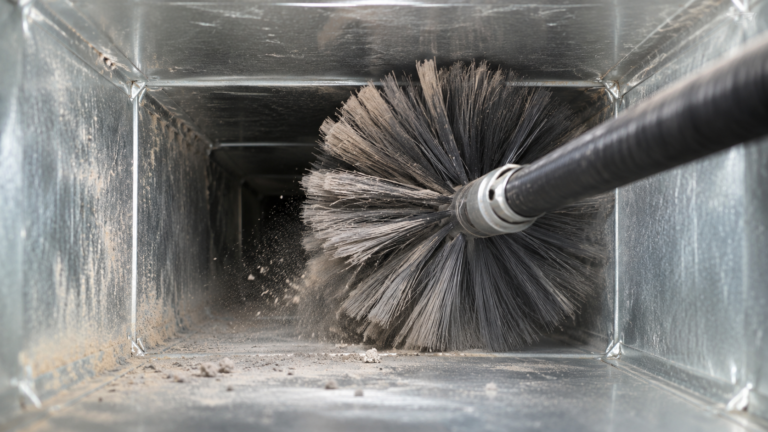
Damaged, disconnected, or poorly insulated ductwork can contribute to heating problems.
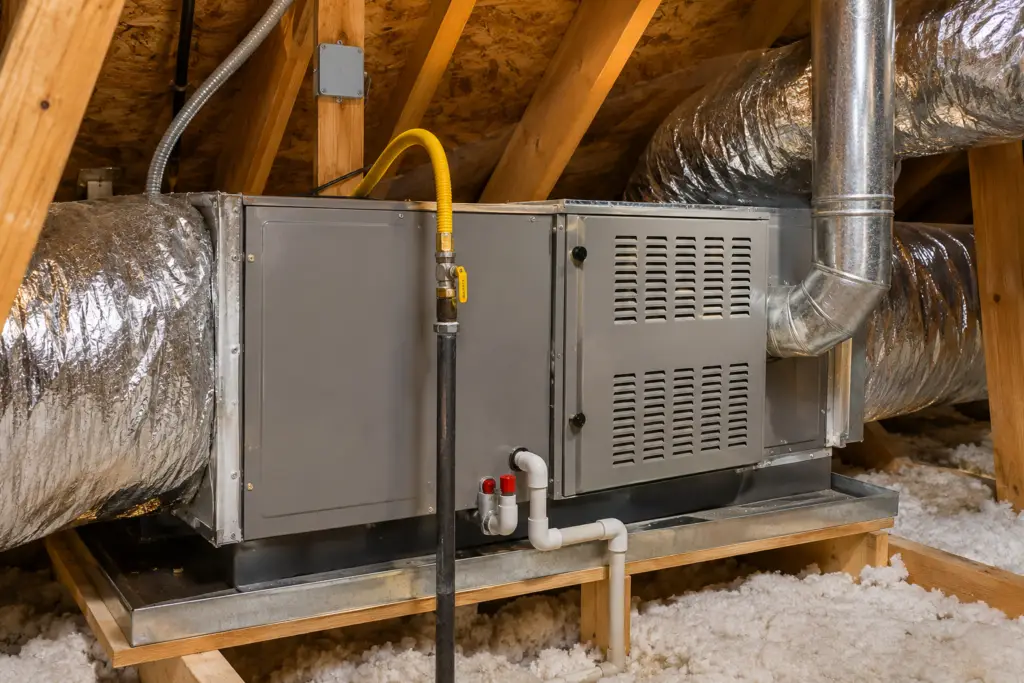
This can be especially relevant for Dallas-area homes with HVAC ductwork running through unconditioned attic spaces.
During winter, attic temperatures can fall significantly, increasing heat loss from poorly insulated ducts.
Leaks in supply ducts may allow heated air to escape before reaching the intended rooms.
Meanwhile, leaks in return ductwork can draw colder attic or other unconditioned air into the HVAC system.
Signs Your Ductwork May Be the Problem
- Some rooms stay cold while others heat normally.
- Airflow is noticeably weaker from certain vents.
- The heater runs frequently without maintaining comfort.
- You notice damaged or disconnected duct sections.
- Heating performance seems worse during colder weather.
What You Can Do
Check that supply registers and return grilles are unobstructed.
If you can safely see accessible ductwork, look for obvious disconnections or damaged sections without disturbing the system.
Professional duct inspections can identify leakage, airflow restrictions, insulation deficiencies, and other conditions affecting heating performance.
Delta Air Conditioning offers duct installation and design services for homeowners experiencing ductwork-related comfort problems.
7. Your Heating System Has a Failing Mechanical or Electrical Component
If your thermostat settings, air filter, and accessible vents all appear normal, the problem may involve an internal component.
Heating systems contain multiple electrical, mechanical, and safety components that must work together to deliver warm air.
When one fails, the system may continue circulating air without producing sufficient heat.
Potential problems include:
Faulty control board: A malfunctioning control board may interrupt the heating sequence or prevent components from operating correctly.
Defective heating elements: Electric furnaces and some heat pump systems use resistance heating elements. If those elements fail, heating capacity may be reduced or lost.
Malfunctioning blower controls: Incorrect blower operation can affect heating performance and system cycling.
Failed sensors or switches: Modern HVAC systems rely on safety and temperature sensors that can interrupt heating when abnormal conditions are detected.
Other equipment failures: Gas valves, relays, electrical connections, and additional components can develop problems over time.
Should You Repair or Replace Your Heater?
Not every heating problem requires an entirely new system.
Many issues can be resolved with a professional repair.
However, replacement may deserve consideration when a system experiences repeated breakdowns, requires increasingly expensive repairs, or no longer provides dependable heating.
An HVAC technician can evaluate the equipment’s condition, identify the problem, and explain whether repair or replacement makes better financial sense.
Learn more about Delta Air Conditioning’s heating and furnace repair services in Dallas, TX.
What Should You Check Before Calling for Heating Repair?
If your heater is blowing cold air, several simple checks may help identify an obvious problem.
Before scheduling a service appointment, consider the following:
- Check the thermostat: Confirm it’s set to HEAT and the fan is set to AUTO.
- Check the temperature setting: Make sure the requested temperature is higher than the indoor temperature.
- Inspect your air filter: Replace a clogged filter with the correct type.
- Check accessible vents: Remove furniture or objects blocking supply or return airflow.
- Look for thermostat error messages: Make note of any displayed warnings or diagnostic information.
- Observe the system: Note whether the heater produces warm air briefly, never heats at all, or shuts down unexpectedly.
These observations can help an HVAC technician diagnose the problem more efficiently.
Avoid opening sealed combustion compartments, bypassing safety devices, or attempting electrical and gas repairs yourself.
If the problem persists after these basic checks, it’s time to contact a professional.
When Is a Heating Problem an Emergency?
A heating system that stops working during a North Texas cold snap can become more than an inconvenience.
Certain situations require immediate attention.
Leave the building immediately and call 911 or your gas utility from a safe location if you smell natural gas, suspect a gas leak, or your carbon monoxide alarm activates.
Carbon monoxide is colorless and odorless, making functioning CO alarms especially important in homes with fuel-burning appliances.
Symptoms of possible carbon monoxide exposure can include headache, dizziness, weakness, nausea, and confusion.
Do not reenter the property until emergency responders or the appropriate professionals confirm it is safe.
Other urgent HVAC problems include visible smoke, unusual burning odors, or a complete loss of heating during dangerous outdoor temperatures.
Delta Air Conditioning offers emergency heating and HVAC repair services throughout the Dallas–Fort Worth area.
How Can Dallas Homeowners Prevent Heating Problems?
Routine maintenance can help identify developing problems before they lead to unexpected breakdowns.
Because Dallas homeowners may use their cooling systems heavily for much of the year, heating equipment sometimes receives less attention until the first significant cold front arrives.
Scheduling a heating inspection before winter temperatures drop is a practical way to prepare.
Professional heating maintenance may include:
- Inspecting heating components and safety controls.
- Checking appropriate airflow and filter conditions.
- Evaluating thermostat operation.
- Inspecting electrical connections.
- Checking combustion and venting conditions on applicable gas equipment.
- Verifying heating performance and proper system operation.
Regular maintenance cannot prevent every breakdown, but it can help identify worn or malfunctioning components before they cause larger problems.
Frequently Asked Questions About Heaters Blowing Cold Air
Why is my furnace running but not producing heat?
Possible causes include incorrect thermostat settings, a dirty air filter, an ignition failure, a tripped safety control, or malfunctioning internal components. A professional inspection can determine the specific cause.
Why does my heater blow cold air for a few minutes before getting warm?
Some systems circulate air briefly during startup, shutdown, or heat pump defrost cycles. However, persistent cold air or a home that cannot reach its thermostat setting may indicate a problem.
Can a dirty air filter cause my furnace to blow cold air?
Yes. Severe airflow restrictions can cause certain furnaces to overheat and shut off their burners while the blower continues operating.
Why is my heat pump blowing cool air during winter?
Heat pumps may produce air that feels cooler than traditional furnace air. Temporary cooling during defrost can also occur. If the system cannot maintain your home’s temperature, it may need service.
How much does heater repair cost in Dallas?
Heating repair costs vary based on the type of system, the component that failed, required labor, and the extent of the problem. A professional diagnostic evaluation is the best way to identify the necessary repair and obtain accurate pricing.
Should I turn my heater off if it keeps blowing cold air?
If the system continuously blows cold air, repeatedly shuts down, or behaves abnormally, turn it off and arrange professional service. If you suspect a gas leak or carbon monoxide exposure, evacuate immediately and contact emergency services.
Schedule Professional Heating Repair in Dallas, TX
When your heater starts blowing cold air, identifying the underlying problem is the first step toward restoring comfort.
Sometimes the solution is straightforward. Other times, a malfunctioning furnace, heat pump, or duct system requires professional attention.
Whatever the cause, you shouldn’t have to spend a cold Dallas night wondering whether your heating system will start working again.
Delta Air Conditioning provides professional heating repair, furnace maintenance, heating installation, and emergency HVAC services throughout Dallas and the Dallas–Fort Worth area.
With a Texas HVAC service history dating back to 1985, Delta Air Conditioning is committed to delivering dependable solutions that keep local homeowners comfortable year-round.
If your heater isn’t working properly, our experienced technicians can evaluate the system, explain the problem, and recommend the appropriate repair.
Don’t wait for a minor heating issue to turn into a major breakdown.
Call Delta Air Conditioning at (214) 206-8800 or schedule your Dallas heating service online.
Additional resources: U.S. Department of Energy — HVAC Filters and CDC — Carbon Monoxide Safety.