
When your AC starts acting up, the first question is usually simple: do you need a routine tune-up, or is something actually broken? For Dallas homeowners, knowing the difference can help prevent wasted time, unnecessary stress, and bigger repair costs during peak Texas heat.
The answer isn’t always obvious — and the wrong call can cost you. Scheduling a tune-up when you actually need a repair means your system sits broken longer. Paying for a diagnostic repair visit when all you needed was maintenance means an unnecessary bill. Here’s how to tell the difference.
What Is an AC Tune-Up?
An AC tune-up is preventive maintenance. It’s a scheduled visit performed on a system that is still functioning — the goal is to keep it running efficiently, catch small problems before they become expensive ones, and extend the life of the equipment.
A thorough tune-up typically includes:
- Checking and testing refrigerant levels
- Cleaning evaporator and condenser coils
- Inspecting and tightening electrical connections
- Testing thermostat operation and calibration
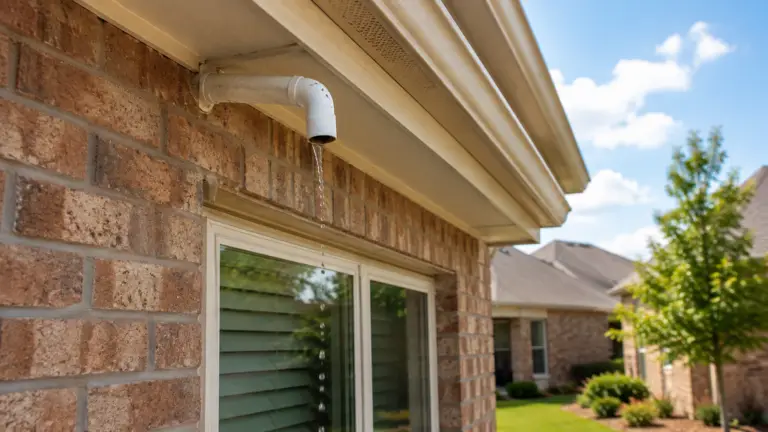
- Inspecting and clearing the condensate drain line
- Checking airflow and static pressure
- Replacing or inspecting the air filter
- Looking for early warning signs of wear on motors, capacitors, and contactors
Think of it like an oil change for your car. Nothing is broken — you’re doing it so nothing breaks.
What Is an AC Repair?
An AC repair is a service call to fix a system that already has a functional problem. Something has failed or degraded to the point where the system can no longer do its job properly.
Common reasons Dallas homeowners call for AC repair:
- The system is running but not cooling the home
- The AC won’t turn on at all
- The outdoor unit isn’t running
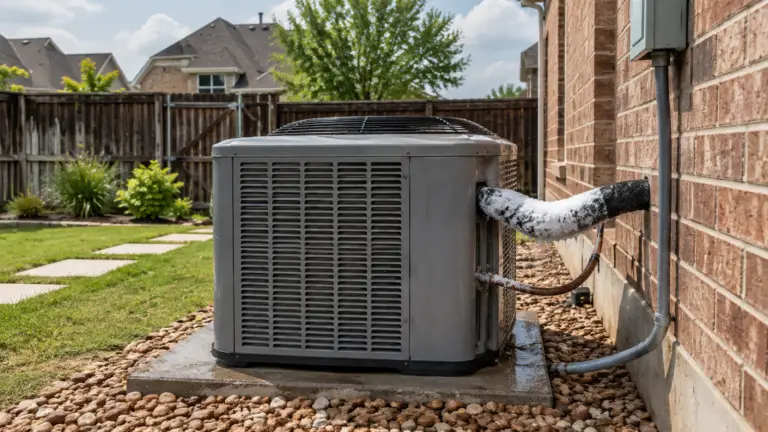
- Ice is forming on the refrigerant lines or evaporator coil
- The air coming from vents is warm
- The breaker keeps tripping when the AC runs
- Water is leaking around the indoor air handler
- Loud or unusual noises — grinding, banging, buzzing, screeching
- The thermostat calls for cooling but the system doesn’t respond
- The system short cycles (turns on and off every few minutes)
A repair visit starts with a diagnostic — the technician identifies what failed, explains the cause, and repairs or replaces the faulty component.
Signs You Probably Need a Tune-Up
If your system is still cooling but something feels slightly off, or you just want to be proactive before summer hits, a tune-up is likely the right call. Watch for these signals:
- Your home still cools, but not as quickly or efficiently as before
- Energy bills are creeping up without a clear reason
- Airflow from vents feels slightly weaker than usual
- It’s been more than 6–12 months since your last service visit
- The system runs longer cycles than it used to
- You want to prepare before Dallas hits its first 100°F stretch
Rule of thumb: In Dallas, annual tune-ups should be scheduled in early spring — before demand spikes and before technician availability tightens up in June and July.
Signs You Probably Need AC Repair
If your system has a clear performance failure — not just “running a little longer” but actually not doing its job — you need a repair diagnostic, not a maintenance visit. These are the harder signals:
- The AC is running but your home won’t cool below 78–80°F no matter what
- Air from the vents feels warm or room temperature
- The outdoor condenser unit isn’t running while the air handler inside is
- Ice is visible on refrigerant lines or the indoor coil
- You hear grinding, banging, or screeching from the unit
- The breaker trips every time the AC kicks on
- Water is pooling around the indoor unit
- The system turns on and off in short bursts repeatedly
Important: Don’t schedule a tune-up hoping it will fix an active problem. A tune-up technician will clean and inspect — but if a capacitor has failed or a refrigerant leak has developed, that requires a repair visit with diagnostic work. Booking the wrong service just delays the fix.
Can a Tune-Up Prevent AC Repairs?
Yes — but only up to a point, and it’s worth being honest about what that means.
Regular maintenance catches worn capacitors before they fail, dirty coils before they cause the system to freeze up, clogged drain lines before they cause water damage, and weak electrical connections before they trip breakers. Studies consistently show that well-maintained systems break down less frequently and last longer.
But a tune-up isn’t a guarantee. Components fail. Parts wear out despite good maintenance. If something has already failed by the time the technician arrives, a tune-up won’t fix it — you’ll need a repair visit. The value of maintenance is in reducing the probability and frequency of those repair calls, not eliminating them entirely.
When Replacement May Be the Better Option
Sometimes neither a tune-up nor a repair is the right answer. If your system is showing multiple signs below, it may be worth having an honest conversation about replacement:
- The system is 12–15+ years old
- You’ve had multiple repair calls in the last two seasons
- The repair estimate is 50% or more of the cost of a new system
- The unit uses R-22 refrigerant (phased out and increasingly expensive)
- Energy bills have climbed significantly year over year
- The system cools some rooms but not others, even after service
- Home comfort is consistently poor despite repeated maintenance
A new high-efficiency system typically pays for itself through lower utility bills faster than most homeowners expect — especially in a climate like Dallas where cooling loads are extreme for five or more months of the year.
Why Dallas Homeowners Shouldn’t Wait Until Peak Summer
This point gets skipped too often: timing matters in Dallas more than in most markets.
When temperatures push past 100°F in June and July, HVAC companies across DFW are booked out. Emergency calls stack up. Parts for common repairs can take longer to source. A system that was showing minor warning signs in May becomes an emergency by the Fourth of July.
Getting a tune-up in March or April — or having a diagnostic done on a system that’s been acting up before summer — means you’re ahead of the rush. You get faster scheduling, more technician availability, and time to make a thoughtful decision if a repair or replacement is recommended. Waiting until your house is 85°F on a Tuesday in August means paying emergency rates and sweating through a longer wait.
AC Tune-Up vs. AC Repair: Quick Comparison
| Situation | Tune-Up | Repair |
|---|---|---|
| System works but needs maintenance | ✓ Yes | Maybe |
| AC blows warm air | ✗ No | ✓ Yes |
| Energy bills are rising | ✓ Yes | Maybe |
| Outdoor unit won’t turn on | ✗ No | ✓ Yes |
| Over a year since last service | ✓ Yes | Maybe |
| Loud or unusual noise | Maybe | ✓ Yes |
| Water leaking near indoor unit | Maybe | ✓ Yes |
| Preparing before summer | ✓ Yes | ✗ No |
Still Not Sure If You Need a Tune-Up or a Repair?
Not every situation fits neatly in a checklist. Delta can inspect your system, diagnose what’s actually going on, and recommend the right next step — no upselling, no guesswork.
Schedule a Service Call →