
Cedar fever hits Dallas hard every year, and if you feel like your symptoms get worse instead of better when you go inside, you’re not alone. Many homeowners assume closing the doors and cranking the AC will keep pollen out, but that’s not always how it works.
In a typical Dallas home, the air inside can actually hold on to pollen, dust, and other irritants longer than the air outdoors. This FAQ walks through why that happens, what’s going on with your HVAC system, and what you can realistically do to make your home a little easier to breathe in during cedar season.
What is cedar fever, and why is it so common in Dallas?
Cedar fever is a strong allergic reaction to pollen from mountain cedar trees, which are common across Texas and the surrounding region. When these trees release their pollen in late winter, counts can spike quickly and stay high for days at a time. For many people in Dallas, cedar fever feels more intense than typical spring allergies, with more pressure, fatigue, and irritation. Part of the problem is that the season hits when people already feel run down from cold weather and winter viruses. Add in a dense urban area, a lot of commuters, and long stretches of dry, windy days, and Dallas becomes a perfect place for cedar pollen to spread and linger.
Can cedar pollen get inside my home?
Yes, cedar pollen absolutely finds its way indoors, even if you’re careful. It comes in through open doors and windows, rides in on your clothes and hair, and tags along on pets’ fur after a walk or a quick trip to the yard. Once it’s inside, your HVAC system can pull that air into the return, send it through the ducts, and push it back out into every room. That recirculation is not automatically a bad thing, but it does mean whatever is in your air tends to travel through the whole home. The goal isn’t to be afraid of your system—it’s to understand that once pollen is inside, your filters, ducts, and airflow matter a lot.
Why do cedar fever symptoms feel worse at night?
Many people in Dallas notice their cedar fever symptoms peak in the evening or overnight. One reason is that your HVAC system often runs more consistently at night when the temperature drops and the house is sealed up tight. Over time, pollen and dust can settle into bedding, pillows, carpets, and even inside your ducts, so when the system cycles on, it stirs those particles back into the air around you. Lying down also changes how your sinuses drain, which can make pressure and congestion feel more intense. If your bedroom has weaker ventilation, older filters, or more dust buildup, it’s easy to feel like cedar fever “turns on” the moment you try to go to sleep.
Does running my air conditioner help or hurt cedar fever?
Your air conditioner can either help or make things feel worse, depending on how it’s set up and maintained. If you’re using thin, basic filters and changing them rarely, the system mainly protects the equipment while still recirculating a lot of smaller particles that bother your sinuses. In that case, you may notice your cedar fever feels stronger when the AC or heat comes on because it’s moving pollen and dust around the house. With better filtration and relatively clean ducts, though, the same system can actually reduce what’s floating in the air over time. The key is not to think of your AC as automatically good or bad, but as something that works only as well as its filters, ducts, and airflow allow.
Are air purifiers effective for cedar fever?
Air purifiers can help with cedar fever, but they’re not all created equal and they’re not a magic fix. Small portable units can be useful in bedrooms or home offices if they’re properly sized for the room and use a good quality filter, and if you keep up with filter changes. In a larger Dallas home, a couple of small purifiers in the corner won’t do much for the whole house. Whole-home options that integrate with your existing HVAC system can reach more of the air you actually breathe, but they still need to be matched to your system and home layout. The most important step is understanding what you’re trying to remove from the air and making sure the purifier and its placement actually address that.
What are simple ways to reduce cedar pollen indoors?
You don’t have to overhaul your entire home to start making a difference. Changing your HVAC filter regularly during cedar season is one of the easiest, low-effort steps you can take, especially in a busy Dallas household. Keeping indoor humidity in a healthy range helps keep dust mites and mold in check, which can compound cedar fever symptoms. Washing bedding in hot water, vacuuming with a HEPA-type vacuum, and wiping hard surfaces more often during peak season can cut down on pollen that’s settled. If your home is older or you’ve noticed uneven temperatures or dust around vents, sealing duct leaks and having the system inspected can also help reduce how much unfiltered air is pulled in and spread around.
When should I consider a professional indoor air quality evaluation?
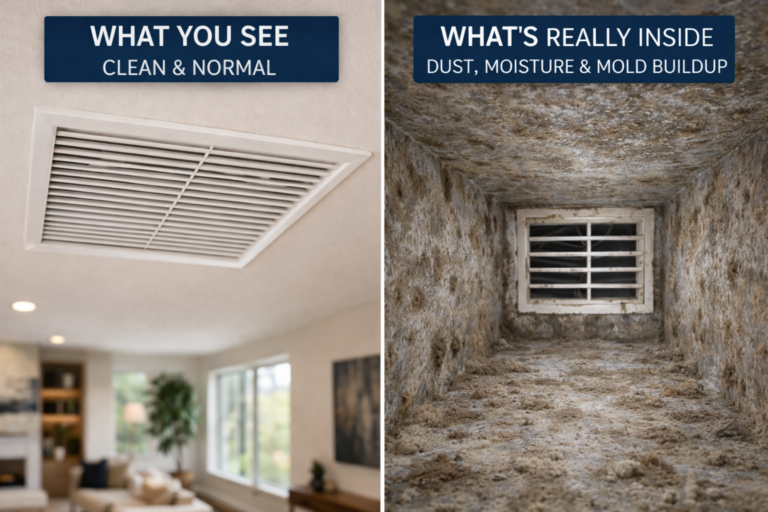
It might be time to bring in a professional if your cedar fever symptoms are clearly worse at home than when you’re out and about in Dallas. Persistent musty smells, visible dust buildup around vents, or hot and cold spots that never seem to balance can all point to issues with ducts, filtration, or moisture. If your home has a history of roof leaks, plumbing issues, or high indoor humidity, it’s worth having someone take a closer look at what’s happening behind the walls and inside the system. An indoor air quality evaluation can help you understand whether you’re dealing mostly with pollen, dust, moisture, or a mix of all three. From there, you can decide which changes are practical for your budget and comfort.
For a deeper look at how indoor air quality affects allergies in Dallas homes, see our guide on why symptoms often get worse inside your home.
If cedar fever keeps bothering you indoors, understanding what’s in your air is often the first step toward relief. Delta Air Conditioning can help you look at your home, your HVAC system, and your options so you can make comfortable, informed decisions about your indoor air—without pressure or a hard sell.
Call Delta Air Conditioning Today!
Dallas (214) 206 – 5974
Beaumont (409) 842 – 5974